
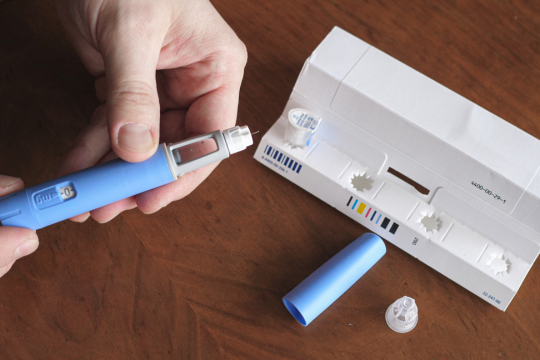
If you’ve been anywhere near a pharmacy counter or social media lately, you’ve heard the buzz: GLP-1 agonists are the metabolic world’s new rock stars.
These medications like semaglutide (Ozempic®, Wegovy®) and tirzepatide (Mounjaro®, Zepbound®) are changing waistlines, and they’re also re-writing the playbook on blood sugar control and cardiometabolic health. But before you start click-counting your injection pen like it’s a Spotify playlist, let’s unpack the benefits and drawbacks of GLP-1s.
The Benefits (Why Everyone’s Talking About Them)
- Weight Loss That Works: GLP-1s are known for quieting the “food noise”. For many, they drastically reduce those pesky cravings, but for some, they can basically turn off hunger signalling altogether. This is how these drugs have become such heavy hitters in the weight loss world. Clinical trials show unprecedented double-digit percentage weight loss when paired with lifestyle changes!
- Blood Sugar Brilliance: These meds boost insulin when you need it and calm glucagon when you don’t, reducing glucose spikes without the hypoglycemia drama. In other words, they are safe compared to most diabetic medications.
- Beyond the Scale: Cardiovascular perks, kidney protection, and even whispers of neuroprotection. (Yes, your brain might thank you too). Weight loss and improved blood sugar control pretty much help all areas of human health!
Fun Fact: The first GLP-1 drug hit the market in 2005. So, while social media makes them look like the new kid on the block, they’ve been quietly working for two decades. Initially, they were indicated only for diabetes, but their use has extended into the world of weight loss due to their effectiveness and relatively good safety profiles.
The Drawbacks (Because No Drug Is a Unicorn)

- GI Side Effects: Nausea, vomiting, and constipation; your gut may stage a protest, especially during initiation and dose increases. These drugs are notorious for their ability to slow digestion and “turn off” hunger, but some patients find this digestive mechanism intolerable, and a small percentage of patients can actually develop long-term GI problems as a result, even after stopping the drug.
- Drastic “Unhealthy” Weight Loss: These drugs are so effective at reducing appetite that many patients using them drastically reduce not only their overall caloric intake, but also reduce critical protein and micronutrient intake as well. This can lead to much more than the desired fat loss (the main goal) – it can lead to undesired and, at times, dangerous loss of muscle and bone as well.
- Price Tag Shock: Monthly costs for some of these drug products can rival a car payment, and shortages have turned these meds into metabolic gold.
- Rebound Reality: Stop the drug without lifestyle changes? Weight regain is common when discontinuing these meds.
- Rare Risks: Animal studies flagged thyroid tumours; human risk remains low but worth monitoring.
Myth-Buster Sidebar: GLP-1s do NOT melt fat overnight. If someone promises you’ll wake up with abs after two injections, run (preferably on a treadmill)!
Microdosing: Clever Hack or Clickbait?
Enter the latest trend: “microdosing” GLP-1s: taking fractions of the approved dose to save money or dodge side effects. Sounds smart? Not so fast.
Potential Perks:
- Fewer GI complaints
- Less drastic weight loss (and less potential muscle and bone loss)
- Lower out-of-pocket costs
- A sense of “biohacker chic”
Big Caveats:
- Effectiveness drops like a bad Wi-Fi signal. The effectiveness of these drugs is proportional to their dose. Lower dose = less weight loss in general
- Safety is shaky. Compounded versions lack FDA and Health Canada oversight
- Zero clinical trials support this practice (unless you count TikTok as peer-reviewed)
Fun Fact: The term “microdosing” originally came from psychedelic research, not weight-loss meds. So, if your GLP-1 journey is feeling like a trip, you’re doing it wrong.
Pro Tips for Success
- Medical Supervision Is Non-Negotiable: These aren’t gummy multivitamins. Please speak with your prescriber or healthcare provider before initiating ANY treatments with GLP-1 agonists.
- Watch for Red Flags: Persistent nausea, vision changes, or thyroid symptoms? Call your prescriber or healthcare provider.
- Lifestyle Still Rules: GLP-1s are powerful tools, not magic wands. You must still do the work. Exercise, diet, sleep, and stress management are still top priorities over GLP-1s in your health and weight loss journey!
GLP-1s Are a Bridge, Not the Destination: How to Support Your Body During and After Treatment
Whether you’re currently taking a GLP-1 agonist or simply considering one, it’s important to understand this key truth: the medication creates an opportunity, but lifestyle habits determine whether the results last.
GLP-1s help reduce appetite and improve metabolic signaling, but they don’t teach your body how to maintain muscle, bone, or metabolic health once the drug is discontinued. That part is up to you.
Here’s how to build a foundation that supports healthy body composition during treatment and helps prevent rebound weight gain after stopping.
1. Prioritize Protein (This Is Non-Negotiable)
Because GLP-1s blunt appetite, many people unintentionally under-consume protein, which is a major driver of muscle loss.
Why it matters:
- Preserves lean muscle mass
- Supports metabolic rate
- Improves satiety and blood sugar stability

General target:
- ~1.6-2.2 g of protein per kg of goal body weight (individual needs vary)
Practical tips:
- Anchor every meal around a high-quality protein source
- Use protein shakes or Greek yogurt if solid food feels difficult
- Don’t “save” protein for dinner, spread it evenly through the day
Muscle lost on GLP-1s is harder to regain later. Protect it early.
2. Fibre Is Your Metabolic Safety Net
GLP-1s slow gastric emptying, but fibre helps keep digestion moving and feeds beneficial gut bacteria that regulate appetite long-term.
Benefits of adequate fibre:
- Improves gut motility (constipation prevention)
- Enhances insulin sensitivity
- Supports appetite regulation after stopping medication
Aim for:
- 25-40 g/day from whole foods
Best sources:
- Vegetables (especially leafy greens, cruciferous veggies)
- Berries and low-glycemic fruits
- Legumes, oats, chia, flax
Pro tip: Increase fibre slowly, especially if GI symptoms are present. Read our guide on how to introduce fibre into your diet.
3. Micronutrients Matter More Than You Think
Reduced food intake can quietly create nutrient gaps, especially with prolonged GLP-1 use.
Common nutrients to watch:
- Magnesium (muscle, insulin sensitivity, bowel regularity)
- Vitamin B12 (energy, nerve health)
- Iron (especially in menstruating individuals)
- Calcium + Vitamin D (bone health)
This is where professional guidance matters. Supplementation should be personalized, not guessed.
4. Resistance Training Is the Real “Anti-Rebound” Tool

If GLP-1s reduce calories, strength training tells your body what tissue to keep.
Minimum effective dose:
- 2-4 sessions per week
- Focus on compound movements (squats, hinges, presses, pulls)
Benefits:
- Preserves muscle and bone
- Improves insulin sensitivity
- Raises resting metabolic rate
Cardio is great for heart health, but resistance training protects your results.
5. Build Habits That Survive Without the Medication
GLP-1s quiet hunger cues, but once they’re gone, your physiology still needs structure.
Focus on:
- Regular meal timing
- Protein-first meals
- High-volume, nutrient-dense foods
- Stress management and sleep consistency
Think of GLP-1s as training wheels: useful, supportive, but not permanent.
Final Thoughts
GLP-1 agonists are game-changers, but not cheat codes. They work best as part of a holistic plan: smart nutrition, movement, adequate sleep, and ongoing clinical guidance. Microdosing? Interesting idea, but for now, it’s more hype than science. However, if you have pre-existing digestive issues or you are someone who seems sensitive to taking any medicinal product, microdosing offers a promising potential option in the future. If starting a micro-dosing protocol, be sure to do it under the supervision of a qualified medical professional, and it’s always best to start low and go slow with dosing.
Do you have questions about whether GLP-1’s are right for you? Come chat with our pharmacists or book an appointment with our naturopathic doctors for comprehensive, personalized support.