

Hormones are the body’s messengers. When they shift, they don’t just change your cycle. They affect how you feel, move, think, and even relate to others. But rather than needing to “fix” your cycle or force your life to fit into a perfect routine, what if you could modify your environment to support your body more naturally?
This guide is designed to help you understand the natural hormonal rhythms of the menstrual cycle and empower you to work with your body, not against it.
Supporting Every Stage of Your Cycle
Your menstrual cycle isn’t something broken that needs to be balanced with hacks or hard rules. It’s a dynamic, complex system that already knows what to do. The key is listening to your body and removing the barriers that make it harder to thrive.
Think of it this way: your hormones are already doing their job. It’s the modern environment (stress, under-sleeping, over-scheduling, processed foods, high expectations) that often makes it harder for your natural rhythm to express itself without discomfort.
How to Balance Hormones Naturally
Balancing hormones doesn’t mean perfecting them. It means creating the best possible environment for your body to do what it’s already designed to do. A few of the most powerful ways to support natural hormone balance include:
- Prioritizing sleep: Aim for 7–9 hours of quality rest, especially before and during your period.
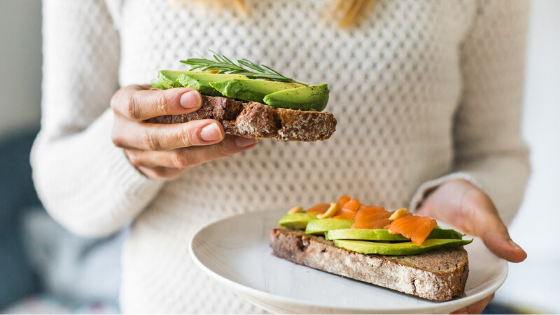
- Eating nutrient-dense foods: Healthy fats (like avocado and flaxseeds), protein, and cruciferous veggies (like broccoli and kale) help your body detox excess hormones.
- Managing stress: Chronic stress can suppress progesterone and spike cortisol, leading to a cascade of hormonal symptoms.
- Supporting digestion: A healthy gut helps break down and eliminate used hormones—fibre is your friend here.
Understanding the Four Phases of Your Menstrual Cycle
Everyone’s cycle is unique, but it typically spans 28 to 32 days and has four distinct phases:
1. Menstrual Phase (Days 1–7): Rest and Rebuild.
- Uterine lining sheds.
- Hormones are at their lowest.
- Energy may be lower, and rest is especially valuable.
2. Follicular Phase (Days 8–16): Rising Energy
- Estrogen rises to help mature an egg.
- Mood, motivation, and creativity may naturally lift.
- A great time for initiating new projects or movement routines.
3. Ovulatory Phase (Around Day 14–16): Peak Power & Potential Sensitivity
- Ovulation occurs: one mature egg is released.
- Estrogen peaks, and some women feel vibrant. Others feel anxious or drained.
- This is one of the most misunderstood moments of hormone flux.
4. Luteal Phase (Days 17–28): Calm or Crash?
- Progesterone rises to prepare for a possible pregnancy.
- If the egg isn’t fertilized, both estrogen and progesterone drop.
- This can trigger PMS symptoms or emotional dips, especially if other systems (like digestion or sleep) are off balance.
Understanding the Three Key Hormonal Flux Points
1. Around Ovulation
Some women experience a sharp mood dip, headaches, anxiety or sleep disruption during the estrogen peak and drop around ovulation. If you know this is a sensitive time for you:
- Consider skipping the wine or sugar overload mid-cycle.
- Schedule space for quiet time or lower-demand days.
- Work with a practitioner for acute support options (e.g. short-term hormonal or SSRI use if appropriate).
2. Before Your Period (Late Luteal Phase)
This is the classic PMS window. Mood, cravings, energy and digestion can all change dramatically.
- Give yourself permission to slow down.
- Keep meals blood sugar-stable and rich in fibre.
- Don’t underestimate the value of gentle exercise and magnesium.
3. After Your Period
If you feel more drained after your period, it could be a sign of low iron or low blood pressure.
- Focus on iron-rich foods (red meat, lentils, cooked greens).
- Stay hydrated and consider gentle strength training to rebuild energy.
- If fatigue is profound or persistent, testing may be appropriate.
Best Foods for Your Menstrual Cycle
Different phases of your cycle call for different nutritional support. Here’s how to eat in sync with your hormones:
- Menstrual Phase: Focus on iron-rich foods like lentils, cooked spinach, and grass-fed beef to replenish what’s lost.
- Follicular Phase: Fresh, light meals with lean proteins, leafy greens, and fermented foods support rising estrogen and gut health.
- Ovulatory Phase: Load up on antioxidants (berries, citrus, colourful veggies) to support the inflammatory response that comes with ovulation.
- Luteal Phase: Complex carbs (like sweet potatoes and oats), magnesium-rich foods (pumpkin seeds, dark chocolate), and steady protein help curb cravings and stabilize mood.
Common Symptoms and Normalcy
Crippling cramps, mood crashes, extreme fatigue, skin flare-ups—these might be common, but that doesn’t mean they’re “just part of being a woman.”
If your symptoms interfere with work, relationships, sleep, or basic functioning, you don’t have to wait for things to get worse. Support is available, and personalized care can make all the difference.
Hormonal Imbalance Symptoms: What to Watch For
Hormonal imbalance shows up differently for everyone, but some common red flags include:
- Severe PMS (mood swings, bloating, breast tenderness)
- Irregular cycles or missed periods
- Extreme fatigue, especially post-period
- Cravings or blood sugar crashes
- Acne, hair thinning, or unwanted hair growth
- Trouble sleeping or feeling “wired but tired”
If these symptoms interfere with daily life, it’s not “just hormones.” It’s a signal your body needs more support. At NutriChem, we use testing and individualized care to help uncover the root cause and guide you back to balance.
Listening to Your Body is the Most Important Tool You Have
Forget the “rules” about when to lift weights or eat carbs. If you’re someone who thrives with cardio during your luteal phase, go for it. If you need extra sleep during ovulation, that’s okay, too.
The best cycle support comes from respecting what your body is telling you.
When to Seek Personalized Support
- You have severe symptoms around ovulation or before your period.
- Your energy crashes after your period.
- You’re navigating PMS, PCOS, or irregular cycles.
- You have severe pain with your period
- Your period is irregular and does not come consistently every month
- You have very heavy bleeding
- You feel like your cycle runs your life.
You don’t have to guess what your body needs. At NutriChem, we offer hormone testing, integrative care, and practitioner-guided support plans tailored to your rhythm.
Book a consultation today to start working with your body, not against it.
Final Thoughts: Your Cycle is Not a Problem to Solve
Hormones will always fluctuate—that’s not something to be feared. When you learn to read your cycle’s signals and support your body with simple, consistent care, you can experience greater energy, mood, and resilience all month long.
You are not meant to feel the same every day. And that’s your superpower.
Need some additional support with your hormones? Our team is here to help. Book a consultation with one of our naturopathic doctors today to start feeling like yourself again.

