


In recent years, phytoestrogens have taken center stage in discussions around nutrition, hormonal health, and chronic disease prevention.
Promoted as natural compounds that may ease menopausal symptoms, support heart health, and even reduce cancer risk, they’ve gained popularity among those following plant-based or hormone-aware diets. However, despite their promising potential, phytoestrogens remain a source of debate, particularly around their effects on hormone-sensitive conditions and long-term health outcomes.
What Are Phytoestrogens?
Phytoestrogens are naturally occurring plant compounds that structurally resemble human estrogen, a hormone central to reproductive and metabolic health. Their similarity allows them to bind to estrogen receptors in the body, specifically ERα (estrogen receptor alpha) and ERβ (estrogen receptor beta), but their biological activity is typically much weaker than endogenous estrogen.
Phytoestrogens act as selective estrogen receptor modulators (SERMs), meaning they can either mimic estrogen (agonistic effects) or block it (antagonistic effects) depending on the tissue and context. This duality underpins both their therapeutic potential and the concerns surrounding their use.
Types of Phytoestrogens:
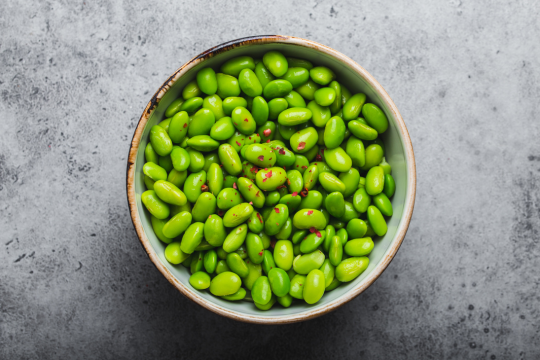
- Isoflavones: Found primarily in soy (tofu, tempeh, miso, edamame), red clover, and alfalfa. Notable compounds include genistein and daidzein.
- Lignans: Abundant in flaxseeds, sesame seeds, whole grains, legumes, and some fruits and vegetables.
- Coumestans: Present in alfalfa sprouts, clover sprouts, and some legumes (e.g., pinto and split beans).
These compounds are metabolized differently depending on an individual’s gut microbiota, genetic factors, and baseline hormonal profile, all of which influence their health effects.
The Controversy: Do Phytoestrogens Pose a Risk?
Phytoestrogens have been studied for both their protective and potentially harmful effects. Their estrogen-like activity raises questions about safety, especially for people with hormone-sensitive conditions. However, evidence from human studies is often more reassuring than early animal or in vitro research suggested.
1. Potential Benefits of Phytoestrogens
a. Cancer Prevention
Several large-scale human studies and meta-analyses suggest that moderate soy intake may be protective against breast cancer, particularly when consumed during adolescence and adulthood.
- A 2022 meta-analysis found that women consuming more than 15 mg/day of soy isoflavones had a lower risk of breast cancer, especially when intake began early in life.
- Genistein, found in soy, binds preferentially to ERβ, which may help inhibit the growth of estrogen-dependent cancers.
- A 2023 review reported that soy intake may reduce breast cancer recurrence, particularly in postmenopausal and ER+ survivors, with benefits observed at 2–3 servings of soy per day.
- Enterolactone, a metabolite of lignans (found in flax), has been linked to reduced breast cancer-specific mortality.
Importantly, these benefits are observed from whole food intake, not from high-dose supplements.
b. Cardiovascular Health
Soy isoflavones may support heart health by improving lipid profiles (cholesterol levels) and reducing oxidative stress:
- Health Canada and a 2019 meta-analysis concluded that consuming ~25g of soy protein daily can lower LDL cholesterol and total cholesterol.
- A 2022 meta-analysis also found that soy, flaxseed, and red clover can positively influence blood lipid levels.
These benefits are enhanced when soy foods replace animal-based saturated fats in the diet.

c. Menopausal Symptom Relief
Phytoestrogens may offer a natural alternative for menopausal symptoms:
- A recent systematic review found that soy isoflavones can reduce the frequency and severity of hot flashes, particularly when taken long-term
- They do not appear to increase estrogen-sensitive markers (e.g., endometrial thickness, estradiol), suggesting safety in postmenopausal women.
- Some studies also suggest a role for soy in supporting bone health in this population.
2. Areas of Concern
a. Breast Cancer Risk
Earlier concerns about phytoestrogens promoting breast cancer were based largely on animal models and cell culture studies. Human research does not support these findings. However, nuances remain:
- One 2016 study linked high soy intake to increased breast density, a potential risk factor. But this was not reflected in a larger 2019 study.
- Several major health organizations have concluded that women diagnosed with breast cancer can safely consume soy and soy isoflavones. These include the American Cancer Society, the American Institute for Cancer Research, the World Cancer Research Fund International, and the Canadian Cancer Society.
b. Thyroid Function
Concerns about soy and thyroid health emerged from studies in the 1960s involving soy-based infant formulas and animal models:
- Research on rats and cells revealed that soy isoflavones impacted thyroid peroxidase (TPO), an enzyme involved in the synthesis of thyroid hormones.
- The European Food Safety Authority’s (EFSA) 2015 risk assessment concluded that isoflavone supplements do not impair thyroid function in healthy individuals.
- A 2019 meta-analysis found that soy does not affect T3 or T4 in euthyroid individuals, but may slightly increase TSH without clinical significance.
- In individuals with subclinical hypothyroidism or low iodine intake, soy could potentially worsen thyroid function. Clinical monitoring is advisable for this group.
c. Gut Microbiome and Metabolism
Not everyone metabolizes phytoestrogens equally:
- Only 30–50% of people have gut bacteria capable of converting soy isoflavones into equol, a more active compound.
- Lignans require bacterial conversion to enterolactone and enterodiol, which exert most of their biological effects.
- The health of the gut microbiome directly impacts the bioavailability and effectiveness of these compounds.
Balancing Phytoestrogens in the Diet
Given their nuanced effects, phytoestrogens are best consumed as part of a diverse, whole-food diet. Focus on variety rather than excess.
Top Food Sources:
- Flaxseeds
- Sesame and sunflower seeds
- Legumes and whole grains
- Fruits (berries, grapes, citrus)
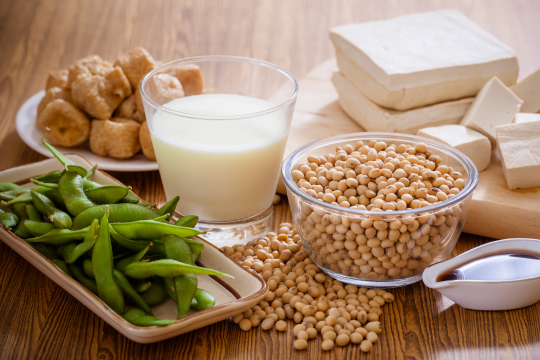
- Fermented soy (tofu, miso, tempeh, natto)
- Where possible, choose organic and non-GMO sources.
Conclusion: A Balanced Perspective
Phytoestrogens are powerful plant compounds with the potential to support hormonal balance, heart health, and cancer prevention, particularly when consumed in whole food form and in moderation. While concerns about estrogenic effects persist, especially in vulnerable populations, the overall body of human research supports their safe inclusion in a healthy, plant-forward diet.
However, their effects are not uniform. Factors such as genetics, gut microbiome composition, life stage, and existing health conditions can all influence outcomes. If you have a hormone-sensitive condition or thyroid disorder, it’s wise to consult with a healthcare provider or registered dietitian before making significant dietary changes.
Ultimately, phytoestrogens are neither miracle compounds nor dietary villains, they are part of the complex web of nutrition and should be approached with context and care.
Book a FREE 15-Minute Discovery Call
References
Boutas I, Kontogeorgi A, Dimitrakakis C, Kalantaridou SN. Soy Isoflavones and Breast Cancer Risk: A Meta-analysis. In vivo (Athens, Greece). 2022;36(2).
Die V, Bone KM, Visvanathan K, et al. Phytonutrients and outcomes following breast cancer: a systematic review and meta-analysis of observational studies. JNCI cancer spectrum. 2024;8(1).
Viscardi G, Back S, Ahmed A, et al. Effect of Soy Isoflavones on Measures of Estrogenicity: A Systematic Review and Meta-Analysis of Randomized Controlled Trials. Advances in nutrition (Bethesda, Md). 2025;16(1).
Health Canada. Summary of Health Canada’s Assessment of a Health Claim about Soy Protein and Cholesterol Lowering.
Blanco MS, Messina M, Li SS, et al. A Meta-Analysis of 46 Studies Identified by the FDA Demonstrates that Soy Protein Decreases Circulating LDL and Total Cholesterol Concentrations in Adults. The Journal of nutrition. 2019;149(6).
Canivenc-Lavier MC, Bennetau-Pelissero C. Phytoestrogens and Health Effects. Nutrients. 2023;15(2).
Messina M, Duncan A, Messina V, Lynch H, Kiel J, Erdman JW Jr. The health effects of soy: A reference guide for health professionals. Frontiers in Nutrition. 2022;9:970364.
Sansai K, Na Takuathung M, Khatsri R, Teekachunhatean S, Hanprasertpong N, Koonrungsesomboon N. Effects of isoflavone interventions on bone mineral density in postmenopausal women: a systematic review and meta-analysis of randomized controlled trials. Osteoporosis international : a journal established as result of cooperation between the European Foundation for Osteoporosis and the National Osteoporosis Foundation of the USA. 2020;31(10).
Isidoro B, Lope V, Whelan D, et al. Use of hormone therapy and isoflavones and mammographic density in Spain. Menopause (New York, NY). 2016;23(5).
Mareti E, Abatzi C, Vavilis D, Lambrinoudaki I, Goulis DG. Effect of oral phytoestrogens on endometrial thickness and breast density of perimenopausal and postmenopausal women: A systematic review and meta-analysis. Maturitas. 2019;124.
Canadian Cancer Society / Société canadienne du cancer. Eating well after breast cancer. Canadian Cancer Society.
American Cancer Society. Soy and Cancer Risk: Our Expert’s Advice. March 21, 2025
Mogor M. Could soy products affect my risk of cancer? World Cancer Research Fund. October 19, 2017
American Institute for Cancer Research. Soy and Breast Cancer: Myths and Misconceptions. October 8, 2024
Otun J, Sahebkar A, Östlundh L, Atkin SL, Sathyapalan T. Systematic Review and Meta-analysis on the Effect of Soy on Thyroid Function. Scientific Reports. 2019;9:3964.
Risk assessment for peri- and post-menopausal women taking food supplements containing isolated isoflavones. EFSA Journal. 2015;13(10):4246.
Baldi S, Asensi MT, Pallecchi M, Sofi F, Bartolucci G, Amedei A. Interplay between Lignans and Gut Microbiota: Nutritional, Functional and Methodological Aspects. Molecules. 2023;28(1):343.
Błaszczuk A, Barańska A, Kanadys W, et al. Role of Phytoestrogen-Rich Bioactive Substances (Linum usitatissimum L., Glycine max L., Trifolium pratense L.) in Cardiovascular Disease Prevention in Postmenopausal Women: A Systematic Review and Meta-Analysis. Nutrients. 2022;14(12):2467.

