


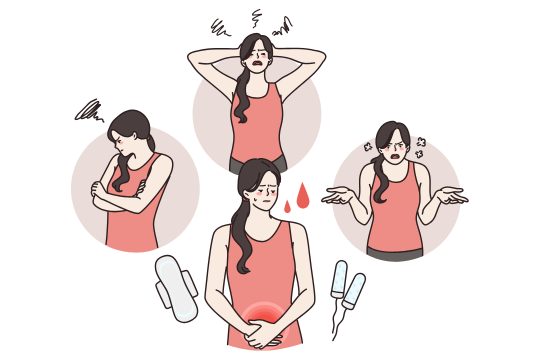
Premenstrual syndrome (PMS) is a familiar experience for many women, affecting up to 80% during their reproductive years.
But if you’ve noticed that your PMS symptoms have evolved over time, you’re not imagining things. As women transition through their 20s, 30s, and 40s, hormonal shifts, life stages, and stressors all influence how PMS presents and how intense it feels.
What is PMS?
PMS refers to a collection of physical, emotional, and behavioural symptoms that typically emerge during the late luteal phase (about a week before menstruation) and resolve within a few days of the onset of your period. While hormone levels remain within a normal range, some women are more sensitive to these fluctuations, particularly in estrogen and progesterone.
Common PMS symptoms include:
- Fatigue
- Irritability or mood swings
- Anxiety
- Breast tenderness
- Abdominal cramping
- Water retention or swelling
- Weight gain
- Constipation or diarrhea
- Headaches
- Low libido
- Sweating or hot flashes
- Sleep disturbances
- Increased appetite or food cravings

PMS in Your 20s: Establishing Cycles and Stability
In your 20s, menstrual cycles often become more regular than in your teenage years. Estrogen and progesterone levels typically rise and fall in predictable patterns, which can make PMS symptoms more consistent and easier to anticipate.
Most common symptoms:
- Abdominal cramping
- Acne flare-ups
- Mood swings or irritability
Why it happens: During this decade, robust ovulatory cycles and emerging adult life stress from school, career development and/or relationships can amplify symptoms. Lifestyle factors such as lack of sleep, poor diet, and inconsistent exercise may also contribute to your PMS experience.
Tip: Start tracking your cycle with a journal or app. Identifying patterns can be a powerful tool to help you plan for and reduce PMS symptoms over time.
PMS in Your 30s: The Hormonal Sweet Spot Or Storm
For many women, their 30s represent a period of relative hormonal stability. However, PMS symptoms may intensify as women approach the mid-to-late 30s. Life changes, such as pregnancy, postpartum recovery, or the early stages of perimenopause, can all disrupt hormonal rhythms.
Common symptoms:
- Breast tenderness
- Mood swings or anxiety
- Fatigue
Why it happens: Sensitivity to progesterone may increase in this decade. Stress levels also tend to rise due to balancing responsibilities like parenting, career demands, and personal life transitions, which can amplify PMS symptoms.
PMS in Your 40s: Perimenopause and the Rollercoaster Effect
Perimenopause, the transitional phase leading up to menopause, typically begins in a woman’s mid to late 40s. While perimenopause usually lasts around 4 years, it can vary widely, lasting anywhere from 2 to 8 years. With hormone levels fluctuating unpredictably, many individuals in their 40s experience a complex blend of classic PMS symptoms and new signs of perimenopause.
Common symptoms:
- Mood swings or anxiety
- Low libido
- Weight gain
- Water retention/swelling
- Irregular periods
- Hot flashes mixed with traditional PMS
- Sleep disturbances
Why it happens: Ovulation becomes less predictable, triggering more dramatic hormonal fluctuations. This often overlaps with midlife stressors, compounding the emotional and physical strain on the body.
When to Seek Help
It’s easy to write off PMS as “just part of being a woman,” but severe or worsening symptoms are not something you have to endure. If your PMS is affecting your work, relationships, or quality of life at any age, talk to your healthcare provider.
No matter where you are in your reproductive years, you deserve to feel your best throughout your menstrual cycle. Here are a few strategies you can implement all cycle long to reduce your PMS symptoms:
- Fuel Your Body:
- Focus on a whole-foods diet rich in vegetables, fruits, fiber, and omega-3s.
- Limit processed foods, added sugars, alcohol, and excessive caffeine (especially in the late luteal phase).
- Maintain consistent meals to stabilize blood sugar levels and reduce cravings.
- Address Stress:
- Chronic stress can exacerbate PMS symptoms. Consider introducing mindfulness-based practices:
- Meditation or breathwork
- Yoga
- Mindfulness-based stress reduction (MBSR)
- Chronic stress can exacerbate PMS symptoms. Consider introducing mindfulness-based practices:
- Support Sleep:
- Prioritize 7–9 hours of uninterrupted, quality sleep, nightly.
- Limit screens before bed and keep caffeine and alcohol in check.
- Move your Body:
- Engage in both aerobic and strength-based exercise to help alleviate physical and emotional PMS symptoms.
- Aim for at least 150 minutes per week of moderate exercise.
- Eat Mindfully:
- Honour your body’s increased needs during PMS, and avoid guilt around cravings.
- Plan balanced meals with protein-rich snacks to support your mood and cravings throughout the month.
- Build Lasting Habits:
- Start small. Implement one or two changes at a time to avoid overwhelming yourself and promote consistency.
- Pair new habits with routines you already have in place to help them stick.
Supplemental Considerations
Effective supplement use requires a clear understanding of your unique physiology and symptoms. Before adding any new supplements, consult your Naturopathic Doctor to develop a personalized plan that supports your specific health needs and goals.
- Calcium: Adequate dietary intake is always suggested as a primary source of calcium, but supplemental calcium has been shown to reduce PMS symptom severity.
- Vitamin D: Achieving vitamin D sufficiency may alleviate both emotional and physical PMS symptoms. Vitamin D may work synergistically with calcium and play a role in serotonin regulation and inflammatory modulation.
Omega-3 fatty acids: Omega-3s, especially EPA and DHA, may reduce the severity of PMS and help improve both physical and mental components of quality of life in PMS. - Chastetree/vitex: Vitex is one of the most researched botanicals for PMS. It appears to act on the hypothalamic-pituitary axis, supporting dopaminergic activity and normalizing luteal phase progesterone. Clinical trials suggest benefits for PMS.
- Magnesium: Supplemental magnesium can support cramping, tension, irritability, and water retention. It may also work synergistically with vitamin B6 to alleviate PMS symptoms.
- Vitamin B6: Recognized as one of the first-line treatments by the Royal College of Obstetricians & Gynecologists, vitamin B6 may improve PMS symptoms.
PMS evolves because you evolve. Hormonal, lifestyle, and emotional factors all play a role in how symptoms emerge and feel across decades. The good news? With the right tools, self-awareness, and support, you can manage symptoms at every stage of reproductive life.
Need some professional hormone support? NutriChem is here to help. Book an appointment with one of our naturopathic doctors today, and get yourself back into balance.
References
Hantsoo L, Rangaswamy S, Voegtline K, Salimgaraev R, Zhaunova L, Payne JL. Premenstrual symptoms across the lifespan in an international sample: data from a mobile application. Archives of Women’s Mental Health. 2022;25(5):903-910.
Şener ÇN, Şolt KA. The Effect of a Mindfulness-Based Stress Reduction Program on Premenstrual Symptoms: A Randomized Controlled Trial. Journal of midwifery & women’s health. 2023;68(5).
İlçioğlu K, Yıldırım Bayraktar BN, Demirhan Kayacık A. The effect of calcium on premenstrual syndrome: A meta-analysis study. J Clin Med Kazakhstan. 2025;22(1):43-49.
Behboudi-Gandevani S, Hariri FZ, Moghaddam-Banaem L. The effect of omega 3 fatty acid supplementation on premenstrual syndrome and health-related quality of life: a randomized clinical trial. Journal of Psychosomatic Obstetrics & Gynecology. Published online July 14, 2017:266-272.
Mohammadi MM, Nayeri ND, Mashhadi M, Varaei S. Effect of omega-3 fatty acids on premenstrual syndrome: A systematic review and meta-analysis. Journal of Obstetrics and Gynaecology Research. 2022;48(6):1293-1305.
Die V, Burger HG, Teede HJ, Bone KM. Vitex agnus-castus extracts for female reproductive disorders: a systematic review of clinical trials. Planta medica. 2013;79(7).
Csupor D, Lantos T, Hegyi P, et al. Vitex agnus-castus in premenstrual syndrome: A meta-analysis of double-blind randomised controlled trials. Complementary therapies in medicine. 2019;47.
Carlini SV, di Scalea TL, McNally ST, Lester J, Deligiannidis KM. Management of Premenstrual Dysphoric Disorder: A Scoping Review. International Journal of Women’s Health. 2022;14:1783.
Premenstrual Syndrome, Management (Green-top Guideline No. 48). RCOG.

