

In high-performing professional circles, a silent epidemic is emerging: chronic insomnia. Many executives, entrepreneurs, and leaders find themselves physically exhausted but mentally alert, unable to turn their minds off at night. They often describe feeling "wired but tired", and are caught in a cycle of late-night thinking, restless sleep, and early-morning fatigue.
As a naturopathic doctor focused on functional and integrative care, I see this pattern regularly in my executive and self-employed patients. And as a current student in the Rotman School of Business Executive Coaching Program, I’m becoming even more aware that sleep disruption is more than a health concern. It’s a performance limiter that affects leadership, cognitive agility, resilience, and the quality of both personal and professional relationships.
What Impacts Sleep for High Performers?
Executives face a unique set of stressors that challenge the body’s natural sleep-wake rhythms. Common disruptors include:
- Late-night mental stimulation
- Unpredictable work or travel schedules
- Early-morning responsibilities
- A consistently high-stress baseline and elevated cortisol levels
Over time, these stressors can shift the body’s circadian rhythm – the internal clock that regulates sleep and wakefulness – leading to difficulty falling asleep, early morning waking, fragmented rest, or a sense of fatigue even after what appears to be a full night in bed.
Sleep Cycles: The Architecture of Recovery
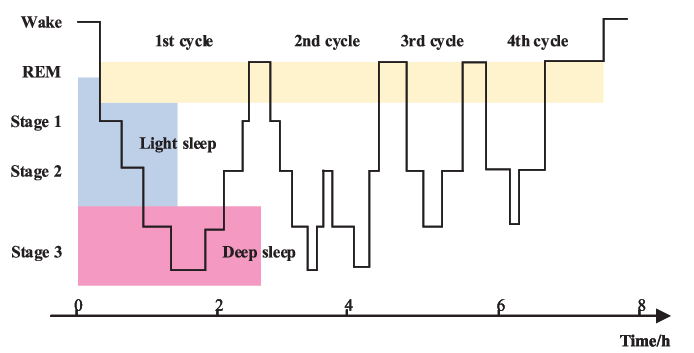
Sleep is not a static state. It moves through a repeating 90 to 120-minute cycle that includes four essential stages:
Stage 1: Light Sleep
This is the brief transition between wakefulness and sleep.
Stage 2: Light Sleep
Heart rate begins to slow, and body temperature drops as the body prepares for deeper rest.
Stage 3: Deep Sleep (Slow-Wave Sleep)
The body undergoes physical restoration. Immune functions activate, tissue repair begins, and growth hormone is released.
Stage 4: REM Sleep
The brain becomes highly active. This is the stage where dreaming occurs and where the brain processes emotions, stores memories, and fosters creativity.
Each of these stages plays a critical role. When sleep is disrupted either through external stress or internal imbalances, your body may spend too little time in the deeper, more restorative stages. This disruption can result in unrefreshing sleep, mental fog, increased irritability, and diminished physical resilience.
Clinical Insight: If you’re waking up frequently, feeling groggy in the morning, or notice that your memory or focus is slipping, your sleep architecture may be out of alignment, even if you’re spending seven to eight hours in bed.
The Physiological Impact of Poor Sleep
Immune Health and Recovery
Deep sleep plays a vital role in immune system regulation. It is during this stage that the body scans for infection, repairs damage, and clears out inflammatory waste. When sleep is consistently cut short or interrupted, the immune system weakens, and recovery slows.
Key consequences include:
- Reduced natural killer (NK) cell activity
- Higher levels of systemic inflammation
- Increased vulnerability to colds, flu, and other infections
Clinical insight: If you find yourself getting sick more often after business travel, public speaking, or periods of intense pressure, insufficient or poor-quality sleep could be a driving factor.
Hormones, Cortisol, and Energy Stability
Executives often operate in a near-constant state of high alert, with elevated cortisol levels. While this can enhance short-term focus and drive, long-term exposure (especially when paired with poor sleep) leads to hormonal dysregulation.
Common signs include:
- Waking early and struggling to fall back asleep
- Suppressed melatonin levels, making it harder to stay asleep
- Blood sugar instability, leading to energy crashes
- Decreases in testosterone, estrogen, and thyroid function
Clinical insight: Many executives experience hormonal shifts that go unnoticed until fatigue, mood issues, or unexplained weight changes begin to surface.

Cardiovascular Strain and Blood Pressure
Sleep is the body’s natural recovery window for the cardiovascular system. During deep sleep, heart rate and blood pressure drop. If this recovery window is shortened or disrupted, blood pressure may remain elevated overnight and into the day.
This can result in:
- Increased sympathetic nervous system activity
- Reduced or absent nocturnal blood pressure “dips”
- A greater risk of long-term hypertension and vascular inflammation
Clinical insight: If blood pressure remains high despite medication, exercise, or diet, it’s worth investigating sleep quality as a root contributor.
Adrenal Dysregulation and the “Wired but Tired” Phenomenon
This commonly reported state among high performers reflects a breakdown in the body’s cortisol rhythm. You may feel alert and stimulated at night but struggle to get going in the morning without caffeine.
Over time, this leads to:
- Difficulty falling asleep despite physical exhaustion
- Non-restorative sleep even after long nights in bed
- Mid-afternoon fatigue or mental fog
- Increased dependence on stimulants to stay productive
Clinical insight: Functional testing of cortisol and circadian rhythms can identify where the imbalance lies and help tailor recovery strategies for better energy and sleep.
Home Sleep Apnea Testing: From The Comfort of Your Own Bed
A large number of high-functioning professionals have undiagnosed sleep apnea, often without realizing it. If you snore, grind your teeth, wake up multiple times during the night, or feel tired despite a full night in bed, sleep apnea may be a hidden factor.
Sleep apnea disrupts oxygen flow, fragments the sleep cycle, and can impair focus, emotional stability, and cardiovascular health.
NutriChem offers home-based sleep apnea testing, which can be conducted in the comfort of your own bed. The test monitors oxygen levels, breathing interruptions, and sleep stage transitions throughout the night
If apnea or other sleep-related breathing disorders are detected, follow-up options may include sleep dentistry, myofunctional therapy, or CPAP therapy, along with naturopathic interventions to support recovery of the nervous and endocrine systems.
Lifestyle Strategies to Restore Circadian Balance
Before turning to supplements, the foundation of healthy sleep begins with daily habits. These evidence-informed strategies are especially effective for high performers:
| Habit | Why it matters |
|---|---|
| Consistent bedtime and wake-up time | Helps anchor the body’s biological clock |
| Dimming lights and limiting screen exposure before bed | Supports melatonin production and reduces cortisol |
| Light physical activity during the day | Promotes natural fatigue and sleep drive |
| Avoiding caffeine and alcohol late in the day | Prevents disruption of deep and REM sleep |
| A calming bedtime routine | Signals the brain to downshift into rest mode |
Smart Tools to Support Better Sleep
These digital tools are effective for supporting relaxation and improving sleep without overstimulation:
- Calm – Guided relaxation, breathwork, and sleep stories
- Insight Timer – Free meditations, music, and sleep-focused content
- Headspace – Science-backed mindfulness and sleep programs
- Sleep Cycle – Tracks sleep phases and offers smart alarm functionality
Targeted Nutrients and Herbs for Restful Sleep
If your sleep routine is already well established but you find you still need additional support, certain natural options may be helpful.
- Melatonin can be useful for regulating your body’s internal clock, especially for issues such as jet lag or shift work.
- Passionflower, ashwagandha, and valerian are herbs that have traditionally been used to calm the nervous system and promote restful sleep.
- GABA and L-theanine are amino acids that may support relaxation by promoting calming brain activity.
- Magnesium Glycinate is a highly absorbable form of magnesium that helps relax muscles and the nervous system, supporting deeper, more restorative sleep.
At NutriChem, our retail health counsellors are available to guide you in choosing a supplement that best suits your needs. For a more personalized, evidence-based plan based on your unique test results, you may also consider booking an appointment with one of NutriChem’s naturopathic doctors.
Final Thoughts
Sleep is not optional, and in high-level leadership, it is certainly not a luxury. It is a foundational investment in clarity, emotional resilience, long-term vitality, and performance. Whether you’re leading a team, building a business, or supporting your family, your ability to show up fully depends on how well you sleep.
If you’ve been pushing through exhaustion, relying on coffee, and wondering why your performance has plateaued, it may be time to look more closely at your sleep. Rest is not about slowing down, it’s about recovering well enough to lead at your best.