

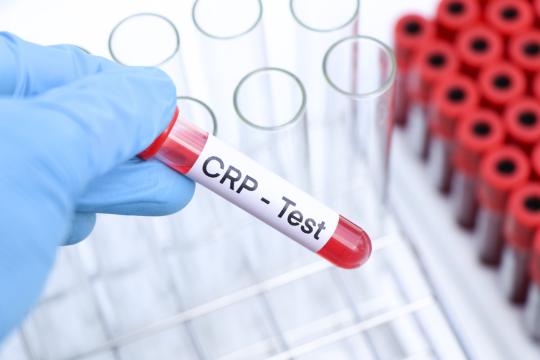
You can have normal cholesterol, exercise a few times a week, and “look healthy” on paper — yet still carry a silent risk factor for heart disease.
It’s called chronic inflammation, and one of the simplest ways to detect it is through a blood marker known as C-reactive protein (CRP). For busy professionals, high performers, parents, and anyone living in a constant state of stress, elevated CRP can quietly signal that the body is under more strain than it appears.
C-reactive protein (CRP) is a protein made by your liver in response to inflammation. When your body experiences injury, infection, or chronic stress, CRP levels rise quickly. While short-term increases are normal, chronically elevated CRP signals ongoing inflammation, which can contribute to heart disease, diabetes, and other metabolic conditions.
Who Commonly Struggles with Elevated CRP?
Chronically elevated CRP is especially common in:
- Busy professionals and high performers under constant psychological stress
- Entrepreneurs and executives juggling long hours and high responsibility
- Parents (especially moms “doing it all”) balancing careers, caregiving, and household demands
- Individuals with sleep deprivation, high mental load, or chronic stress exposure
These populations often appear outwardly healthy and productive, yet may experience hidden low-grade inflammation due to:
- Chronic stress hormone activation
- Inconsistent sleep
- Skipped meals or ultra-processed convenience foods
- Limited time for exercise or recovery
- Mental load and emotional stress
This combination creates the perfect environment for persistently elevated inflammatory markers like CRP, even when traditional labs like cholesterol look “normal.”

Why CRP Matters Clinically
CRP is more than just a lab number, it provides insight into your overall inflammatory state:
- Predicts Cardiovascular Risk: Persistent CRP elevation, even when cholesterol is normal, is linked to higher risk of heart attacks, strokes, and atherosclerosis.
- Monitors Disease Activity: CRP is used to track inflammation in conditions like autoimmune disease, infection, or metabolic disorders.
- Guides Treatment Effectiveness: Lifestyle changes, medications, and supplements that reduce CRP can reflect improved inflammation control and cardiovascular health.
- Detects Hidden Inflammation: Even modest elevations may indicate low-grade chronic inflammation, a silent contributor to metabolic and heart disease.
High-sensitivity CRP (hs-CRP) tests help estimate heart risk:1
- < 1 mg/L → Low risk
- 1–3 mg/L → Moderate risk
- > 3 mg/L → High risk
Common Causes of Elevated CRP
- Chronic infections or autoimmune conditions
- Excess belly fat (visceral adiposity)
- Type 2 diabetes and insulin resistance
- Autoimmune disease
- Poor sleep, stress, smoking, and sedentary lifestyle
Even modest elevations can indicate low-grade inflammation that silently raises cardiovascular risk.
Lifestyle Considerations to Lower CRP
Sleep Optimization
Poor sleep drives inflammation and raises CRP 2:
- Adults should aim for 7–9 hours of high-quality sleep per night.
- Maintain a consistent sleep schedule and a dark, quiet environment.
- Address sleep disorders (like sleep apnea), as they are associated with chronically elevated CRP.
Regular physical activity
Exercise reduces inflammation and improves cardiovascular and metabolic health: 3,4
- Aerobic Activities: Walking, jogging, cycling, or dancing 150 minutes per week can significantly lower CRP.
- Resistance Training: Strength or weight-bearing exercises 2-3 times per week can reduce inflammatory markers, particularly when combined with aerobic exercise.
- Combined Routines: A mix of cardio and strength training offers the strongest anti-inflammatory benefits.
Important Note: CRP may temporarily spike after intense exercise (like marathons or heavy weightlifting) due to muscle stress. Avoid testing CRP within 2-5 days of strenuous workouts for accurate results.
Stress reduction

Chronic psychological stress elevates inflammatory signaling:
- Mindfulness and Meditation: Daily mindfulness practices can lower CRP and inflammatory cytokines.
Weight Management
Excess visceral fat (belly fat) is metabolically active and secretes inflammatory molecules:5,6
- Accumulation of visceral fat and elevations in inflammatory markers synergistically increase cardiovascular and metabolic risk factors (diabetes, hypertension, elevated cholesterol, stroke).7
- Even modest fat loss (5-10% of body weight) can lower CRP and improve insulin sensitivity and benefit cardiovascular health.
Dietary considerations
Eating to lower inflammation can have a measurable effect on CRP: 8
- Emphasize Plant-Based foods: Dark leafy greens (spinach, kale, collard greens), cruciferous vegetables (broccoli, cauliflower, Brussels sprouts), colorful vegetables, and legumes.
- Increase Healthy Fats: Omega-3-rich foods like fatty fish (salmon, sardines), flaxseeds, chia seeds, and walnuts.
- Choose Whole Grains: Oats, quinoa, brown rice, and barley.
- Minimize Inflammatory Foods: Refined grains, sugary drinks, processed snacks, and excessive red or processed meats.
- Evidence-Based Diet Patterns: The Mediterranean diet and other anti-inflammatory diets have been linked to lower CRP levels.
Smoking Cessation and Alcohol Moderation
- Smoking: Strongly associated with higher CRP; quitting lowers systemic inflammation over time.
- Alcohol: Moderate consumption (if any) is advised; excessive intake can increase inflammation.
Practical Tip: Combining these lifestyle strategies has a synergistic effect. For example, exercising regularly while improving diet, sleep, and stress management produces greater reductions in CRP than any single intervention alone. Small, sustainable changes, like a 20-minute walk after meals, adding one extra serving of leafy greens per day, or a 10-minute mindfulness session, can accumulate over time to lower inflammation and reduce cardiovascular risk.
Inflammatory Cytokines: The Messengers of Inflammation
CRP works alongside inflammatory proteins called cytokines, which signal your immune system to respond to stress or injury. Key cytokines include TNF-α, IL-6, and IL-1, which drive systemic inflammation and contribute to cardiovascular and metabolic risk. Lowering CRP often corresponds with reductions in these cytokines, making them an important target for lifestyle changes and supplementation
Supplements That Support Lower CRP and Cytokines
Supplement ingredients to look out for:
- Curcumin/turmeric 9,10,11
- How it Works: Acts as a powerful anti-inflammatory and antioxidant. Reduces CRP, TNF-α, and IL-6.
- Benefits: Improves blood sugar, HDL cholesterol, and body weight.
- Best For: Individuals with metabolic syndrome, type 2 diabetes, or elevated inflammatory markers.
- Vitamin D 12
- How it Works: Supports immune regulation and reduces inflammation.
- Benefits: May lower CRP in individuals with inflammatory conditions.
- Best For: People with vitamin D deficiency or chronic inflammation.
- Tip: Testing your vitamin D levels is recommended before supplementing to determine the right dose.

- Coenzyme Q10 13
- How it Works: Acts as an antioxidant and reduces CRP, TNF-α, and IL-6.
- Benefits: Supports heart health and reduces inflammation in both healthy adults and those with cardiovascular disease.
- Best For: People with high blood pressure, heart disease, taking statins (which may lower CoQ10) and also supports patients without cardiovascular diagnoses.
- Magnesium 14
- How it Works: Modulates oxidative stress and inflammation; enhances antioxidant enzymes like SOD, CAT, and glutathione.
- Benefits: Reduces CRP, TNF-α, and IL-1. Supports cardiovascular, metabolic, and overall inflammatory health.
- Best For: Individuals with excess stress, inflammatory conditions (diabetes, PCOS, periodontal disease), or anyone at risk for chronic inflammation.
- Omega 3s 15,16
- How it Works: Anti-inflammatory and antioxidant effects; lowers CRP, TNF-α, IL-6, and IL-1.
- Benefits: Improves triglycerides, total cholesterol, HDL, and blood pressure. Reduces systemic inflammation, especially in metabolic syndrome and cardiovascular disease.
- Best For: Individuals with elevated triglycerides, high CRP, or heart disease risk.
- Tip: Benefits are greatest with long-term supplementation
Key Takeaways
CRP is a meaningful marker of inflammation and cardiovascular risk. High CRP signals chronic inflammation, which contributes to heart disease, diabetes, and metabolic dysfunction.
The best strategies to lower CRP and protect your heart include:
- Lifestyle Changes: Exercise, sleep, stress management, healthy weight, and an anti-inflammatory diet.
- Targeted Supplementation: Curcumin, vitamin D, CoQ10, magnesium, and omega-3s can support inflammation control.
- Regular Monitoring: High-sensitivity CRP tests can help track progress and guide interventions.
By addressing inflammation through these evidence-based strategies, you can reduce CRP, improve heart health, and lower the risk of chronic disease.
Concerned about inflammation or elevated CRP levels?
References
1. Singh B, Goyal A, Patel BC. C-Reactive Protein: Clinical Relevance and Interpretation. In: StatPearls [Internet]. StatPearls Publishing; 2025.
2. Slavish DC, Graham-Engeland JE, Engeland CG, Taylor DJ, Buxton OM. Insomnia symptoms are associated with elevated C-reactive protein in young adults. Psychology & health. 2018;33(11).
3. King DE, Carek P, Mainous AG, Pearson WS. Inflammatory markers and exercise: differences related to exercise type. Medicine and science in sports and exercise. 2003;35(4).
4. Alizaei YH, Niyazi A, Alaee S, Fathi M, Gr MR. Anti-Inflammatory Effects of Exercise on Metabolic Syndrome Patients: A Systematic Review and Meta-Analysis. Biological research for nursing. 2021;23(2).
5. Increased visceral adipose tissue mass is associated with increased C-reactive protein in patients with manifest vascular diseases. Atherosclerosis. 2010;212(1):274-280.
6. Yu JY, Choi WJ, Lee HS, Lee JW. Relationship between inflammatory markers and visceral obesity in obese and overweight Korean adults: An observational study. Medicine. 2019;98(9):e14740.
7. Lin M, Zhou Y, Wu R, et al. Temporal Relationship Between Visceral Fat and Inflammation, and Their Joint Effect on Cardiometabolic Diseases: Evidence from the China Health and Retirement Longitudinal Study (CHARLS). Journal of Inflammation Research. 2025;18:14913.
8. Bonaccio M, Costanzo S, Di Castelnuovo A, et al. Increased Adherence to a Mediterranean Diet Is Associated With Reduced Low-Grade Inflammation after a 12.7-Year Period: Results From the Moli-sani Study. Journal of the Academy of Nutrition and Dietetics. 2023;123(5).
9. Bahari H, Omidian K, Asadi Z, Golafrouz H, Rafiei H. Efficacy of curcumin/turmeric on inflammation and oxidative stress in prediabetes and type 2 diabetes: a systematic review and dose-response meta-analysis. Inflammopharmacology. 2025;33(12).
10. Dehzad MJ, Ghalandari H, Nouri M, Askarpour M. Antioxidant and anti-inflammatory effects of curcumin/turmeric supplementation in adults: A GRADE-assessed systematic review and dose-response meta-analysis of randomized controlled trials. Cytokine. 2023;164.
11. Jafari A, Abbastabar M, Alaghi A, Heshmati J, Crowe FL, Sepidarkish M. Curcumin on Human Health: A Comprehensive Systematic Review and Meta-Analysis of 103 Randomized Controlled Trials. Phytotherapy research : PTR. 2024;38(12).
12. Efficacy of vitamin D supplementation as an adjunct therapy for improving inflammatory and oxidative stress biomarkers: An umbrella meta-analysis. Pharmacological Research. 2022;186:106484.
13. Hou S, Tian Z, Zhao D, et al. Efficacy and Optimal Dose of Coenzyme Q10 Supplementation on Inflammation-Related Biomarkers: A GRADE-Assessed Systematic Review and Updated Meta-Analysis of Randomized Controlled Trials. Molecular nutrition & food research. 2023;67(13).
14. Veronese N, Pizzol D, Smith L, Dominguez LJ, Barbagallo M. Effect of Magnesium Supplementation on Inflammatory Parameters: A Meta-Analysis of Randomized Controlled Trials. Nutrients. 2022;14(3):679.
15. Kavyani Z, Musazadeh V, Fathi S, Hossein FA, Dehghan P, Sarmadi B. Efficacy of the omega-3 fatty acids supplementation on inflammatory biomarkers: An umbrella meta-analysis. International immunopharmacology. 2022;111.
16. Wang Y, Wang Y, Shehzad Q, et al. Does omega-3 PUFAs supplementation improve metabolic syndrome and related cardiovascular diseases? A systematic review and meta-analysis of randomized controlled trials. Critical Reviews in Food Science and Nutrition. Published online May 24, 2023:9455-9482.

