

She’s 67 years old today. But when did it all start?
That part is fuzzy, maybe 20, 25 years ago? Her late 40s, perhaps early 50s. Back then, she was a good sleeper, a calm presence. Then, suddenly, sleepless nights. Waves of anxiety. A prescription pad became her lifeline. Medications helped, but something had shifted. Her sleep never came back the same. Neither did she.
This story isn’t rare. In fact, it’s painfully common, and unfortunately, at 67, there is little we can do when it comes to hormones. This is our mission – to ensure that no woman has to come back 20 years from now, never having been spoken to about hormones and the role they play in sleep and anxiety. Never given the option for a tool that can provide support.
The Textbook Menopause Tale and Why It’s Misleading
We’ve all seen the “classic” menopause narrative: A woman, usually fit and glowing, tracks her regular cycle meticulously. One day, her period stops. Soon after, she’s hit with textbook hot flashes and night sweats. Her doctor nods knowingly and offers hormone therapy. Her symptoms ease. She throws her hands in the air, reborn, restored. Life is back to normal.
But let’s be honest: this isn’t reality. It’s a myth polished by simplicity and stripped of nuance.
For the majority of women, the menopausal transition is anything but linear. Hormonal fluctuations don’t always follow rules. Symptoms don’t always shout “estrogen” or “progesterone.” Many women don’t even recognize themselves anymore, and worse, they don’t feel seen.
Hormones, Yes But Not the Whole Story
We must stop pretending that menopause is simple. That it begins the moment periods end. That hot flashes and night sweats are its only messengers. Hormones absolutely matter, but they don’t tell the whole story.
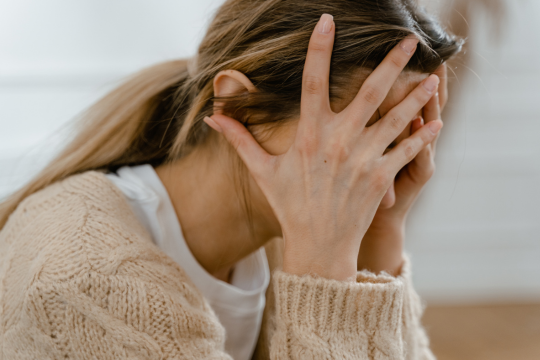
These fluctuations can create or worsen real, debilitating health concerns, ranging from mood instability to inflammation to chronic insomnia. And often, women aren’t coming in asking for “perimenopause support.” They’re coming in because they feel like they’re unravelling.
Let’s look at a few real-life stories:
Real Women, Real Stories
- 40-year-old: Exhausted, anxious, not sleeping. Two young kids, a demanding job. Chronic pain, GI upset, shortened cycles with occasional sweats. Her mom went through menopause at 40.
- 46-year-old: Crippling anxiety, severe mood swings, rage she doesn’t recognize, and only 5–7 “normal” days a month. Cycles vary by up to a week. Tears, brain fog, 4am wake-ups.
- 52-year-old: High-powered job, skipped periods, hot flashes at night, mood crashes before periods, brain fog, wired-and-tired fatigue.
- 53-year-old: Just shy of a year without a period. Malaise, joint pain, and burning internal heat at night. Low energy, deep fatigue, no diagnosis despite seeing multiple specialists.
- 50-year-old: Strange allergic reactions at dawn, rashes, hives, heart palpitations, with no obvious cause. On oral contraception, so no information on her cycle.
- 49-year-old: Sudden onset of anxiety and heart palpitations at 3am. No previous history. Cycles are erratic, energy is low, and they are riddled with anxiety.
None of these women came in thinking, “this is perimenopause.” Yet in each case, hormones were part of the story and a critical piece of their healing.
The Pattern We Miss
Here’s how I often see it unfold:
- Mid-to-late 30s: PMS worsens. Mood swings, irritability, heavier or changing periods, and reduced resilience. Women are juggling careers, kids, and expectations.
- Early 40s: Sleep starts to become disrupted, especially right before periods. Waking up at 3–4am, thoughts racing. Periods become heavier and closer together. Iron levels can drop, and fatigue escalates. Reduced tolerance of stress, alcohol, and demands.
- Mid-to-late 40s: Emotional stability fades. Anxiety and exhaustion become more constant. One good week a month, maybe two. The body starts resisting and trying to maintain itself consistently. Weight changes around the middle can start to appear. Doctors often dismiss concerns due to “regular cycles.”
- Late 40s–early 50s: The sweats begin. Sleep is consistently poor. Joints ache. Brain fog sets in. Periods space out. Yet access to hormone therapy is still denied if a woman bleeds even once after 11 months.
Women are told they must endure. But we must do better.
NutriChem co-founder Linda Pollon and CEO Dr. Emma Pollon-MacLeod ND, discuss how NutriChem began supporting women’s health and hormones.
The Consequences of Oversimplification
Often, when a woman goes to her doctor, she is prescribed:
- Birth control or IUDs for heavy bleeding
- Trazodone or sleeping pills for insomnia
- Antidepressants or anti-anxiety meds
- GLP-1s like Ozempic for weight gain
And while these tools can be incredibly helpful, what’s missing is validation. Women need to understand that these changes aren’t just in their heads. They’re in their bodies. They’re real, physical, and deserving of nuanced care.
Using an IUD for heavy bleeding during perimenopause can be extremely effective, however, often women who may benefit aren’t using the therapy because they feel misunderstood. If sleep or anxiety issues are extreme, then medications may be the right answer, but without looking at underlying causes, a woman can feel like they are being told this is in their head.

Hope, Education, and a New Narrative
This is not a story of doom and despair. It’s a rallying cry.
We’ve made huge strides:
- More awareness about protein needs and the role of nutrition in energy and mood
- Ferritin levels are now considered suboptimal below 50 (finally!)
- Better conversations about alcohol and its disruptive effects on sleep and hormones
What must shift next? The conversation itself.
Let’s not oversimplify or blame hormones blindly. Let’s get curious. Let’s listen. Let’s validate and empower. Every woman deserves to feel seen, heard, and supported during this deeply transitional time.
Hormones as a Tool, Not a Cure-All
Estrogen and progesterone can be powerful allies. I believe strongly in their use when appropriate. But I also believe that every woman should have access to the information to make the best choice for her body, safely and with confidence. Although hormone therapy in menopause can be an incredible tool, it isn’t appropriate or safe for every woman.
Want to learn more about how we support women through perimenopause and menopause? Visit our Menopause Clinic page to explore our Hormone Program and connect with our team.
Because your story deserves more than a checkbox, it deserves a megaphone.