

January often arrives with more weight than excitement. The holidays end abruptly, the days are short and dim, and the pressure to “start strong” in the new year can feel overwhelming.
If you find yourself dragging, struggling to focus, or feeling emotionally flat, you’re not alone. Many people experience the “January Blues,” a seasonal dip in mood driven by very real biological shifts, not personal shortcomings.
Understanding why this happens is the first step in supporting your mental well-being. The second is knowing what you can do about it using simple, science-backed strategies and supportive nutrients that help you feel more balanced all winter long.
Why January Affects Your Mood More Than You Think
It Isn’t Just You, It’s Physiology
Low mood this time of year often stems from:
- Reduced sunlight, which decreases serotonin
- Circadian rhythm disruptions, impacting sleep and energy
- Lower vitamin D levels, common in Canadian winters
- Post-holiday overstimulation, followed by an emotional and physical crash
- Lower physical activity, with heavy snowfall = less time moving and outdoors
Your body is reacting to environmental stressors, and that reaction is valid.
Common Symptoms of the January Blues
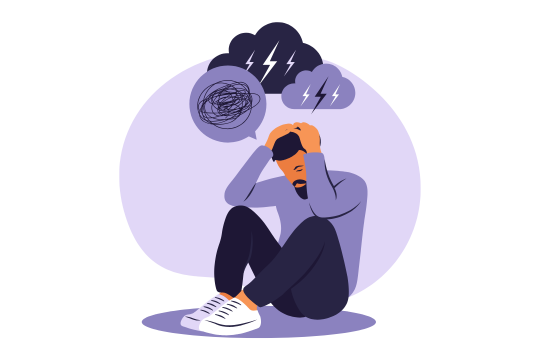
Mental & Emotional Symptoms
- Low motivation
- Brain fog or difficulty concentrating
- Increased stress or emotional overwhelm
- A sense of “flatness” or disconnection
Physical Symptoms
- Low energy
- Greater carb or sugar cravings
- Trouble getting to sleep or staying asleep
- Feeling physically tense or run down
If symptoms become chronic, interfere with daily life, or feel progressively worse, connecting with a practitioner is an important next step.
The Hormone Factor
If you’re navigating perimenopause or menopause, the winter blues may feel especially strong.
You may notice:
- More irritability
- Sleep disturbances
- Increased anxiety
- Heightened emotional sensitivity
Hormonal fluctuations can magnify seasonal mood changes, making winter feel even heavier. This is where targeted nutritional support and working with an integrative practitioner can make a meaningful difference.
Science-Backed Ways to Boost Your Mood Naturally This Month
1. Start With Light, Your Brain Depends on It

Light helps regulate serotonin, cortisol, and your internal clock.
Try:
- Getting outside within one hour of waking and avoiding screentime in the morning
- Using a 10,000 lux light lamp
- Opening blinds as soon as you wake
Even 5- 10 minutes of morning light exposure can help rebalance your energy.
2. Nourish Your Brain With Mood-Supportive Foods
Stable blood sugar and nutrient-dense meals support emotional resilience.
Focus on:
- Omega-3 rich foods (salmon, walnuts, flax)
- High-quality proteins
- Fibre-rich vegetables
- Hydration
Supplement Spotlight:
Pure Premium Fish Oil: Highly pure omega-3s that support brain health, mood stability, and healthy inflammatory pathways. Add a daily dose to your winter wellness routine for targeted cognitive and emotional support.
3. Move Your Body (Just a Little)
Movement doesn’t need to be long or intense.
- A 10-minute brisk walk at lunchtime
- Two minutes of stretching every hour
- Light strength training at home
Small bursts of movement can elevate mood-regulating neurotransmitters.
4. Support Your Sleep for Better Emotional Health

Poor sleep intensifies seasonal mood symptoms. Prioritize:
- A consistent bedtime
- A screen-free wind-down period
- Relaxation practices like gentle stretching or breathing
Supplement Spotlight:
Mega Mag (Magnesium Glycinate): Gentle on digestion and excellent for nervous system support, muscle relaxation, and deeper sleep. A great choice if you’re feeling tense, restless, or wired-and-tired.
NutriZzz’s: This blend of calming herbs, relaxing amino acids, and melatonin is a safe and effective option designed to help reset your natural sleep–wake cycle. NutriZzz’s may help you fall asleep faster and reduce nighttime waking for a more restful sleep.
Caution: Do not use NutriZzz’s with other sleep medications or SSRI medications. Please refer to the product label for the full list of warnings. Always check with your doctor or healthcare provider for possible interactions before starting any new health product.
5. Consider Evidence-Based Mood Support Supplements
Targeted nutrients can make a significant impact during dark winter months.
Low vitamin D levels are strongly linked to low mood in winter.
- Supports immunity, bone health, and brain chemistry
- Ideal for Canadian winters
- Daily vitamin D is foundational for mood and energy during low-light seasons.
Amino Acid Support
Amino acids are the building blocks of neurotransmitters that regulate mood, motivation, and calm.
- Supports the production of dopamine and serotonin
- Helps with focus, emotional balance, and stress resilience
- A great option when you’re feeling low, foggy, or unmotivated.
When to Seek Professional Support
If your symptoms:
- Persist for more than two weeks,
- Feel intense or heavy,
- Interfere with daily functioning, or
- Show up year after year…
…it might be time for deeper support.
Working with a qualified healthcare practitioner can help uncover root causes like hormonal shifts, nutrient deficiencies, thyroid imbalances, chronic stress patterns, or Seasonal Affective Disorder (SAD).

You’re Not Alone, And You Don’t Have to Push Through It
The January Blues are more common than most people realize, and you’re not expected to “will yourself” through them. Your mood is influenced by real biological, environmental, and hormonal factors, many of which can be supported through small daily habits, strategic supplementation, and personalized guidance.
You deserve to feel balanced, supported, and emotionally steady, even in the darkest part of winter. With science-backed tools and compassionate care, brighter days are within reach.
Ready to support your mood naturally this winter?
- Explore Pure Premium Fish Oil, Mega Mag, Tyro Trypt, and D-Best Vitamin D3 to help lift and stabilize your mood.
- Or take the next step and book with one of our integrative practitioners to build your personalized winter wellness plan.
Let’s make this winter a season you feel grounded, nourished, and supported.