


As the weather cools and humidity drops, many people begin to notice changes in their skin: dryness, flaking, sensitivity, and flare-ups of chronic conditions like eczema or psoriasis.
The skin, our largest organ, is deeply influenced by both our external environment and internal physiology.
The good news? With a few strategic adjustments, you can protect and restore your skin’s health and glow throughout the colder months.
Reassess and Adjust Your Routine
Cold, dry air and indoor heating pull moisture from the skin. As a result, your summer skincare products may not provide enough protection through fall and winter.
Simplify and Soften Your Cleansing Routine
- Use a gentle, hydrating cleanser: Choose non-foaming, pH-balanced formulas with humectants like glycerin or hyaluronic acid to prevent stripping your skin’s natural oils.
- Avoid hot showers or baths: While soothing, prolonged exposure to hot water weakens the lipid barrier, worsening dryness and itching. Opt for lukewarm water instead.
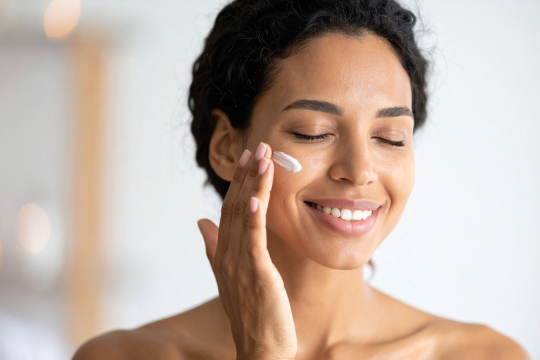
Upgrade Your Moisturizer
- Switch to a richer moisturizer containing ceramides, hyaluronic acid, glycerin, or squalane to replenish and strengthen the skin barrier.
- If dryness persists, layer an occlusive (like petroleum jelly, paraffin, or dimethicone) on top to seal in moisture.
Be Gentle with Exfoliation
- Reduce the frequency of exfoliating acids (AHAs, BHAs) and retinoids if you’re noticing irritation or tightness.
- Focus instead on barrier repair and hydration.
Support with Botanical Actives
Certain plant-based ingredients can soothe irritation and support skin healing:
- Calendula: Antioxidant and anti-inflammatory; promotes healing and reduces inflammation.
- Chamomile: Improves moisture, reduces roughness and calms redness.
- Centella asiatica (Gotu kola): Enhances barrier function and collagen synthesis.
Shop the Winter Skincare Essentials collection here.
Combat Indoor Dryness
Indoor heating can lower humidity below 30%, drawing moisture out of your skin and leading to tightness, redness, and even fine lines.
Try these strategies:
- Use a humidifier in your bedroom or main living area to maintain humidity between 40–60%.
- Apply a ceramide-rich cream to reinforce your barrier and reduce transepidermal water loss.
- Avoid sitting too close to heaters, which can cause localized dryness.
Support your skin from the inside out
Skin health mirrors internal balance. Nutrient status, hydration, and gut health all play key roles in maintaining skin integrity and resilience.
Essential Nutrients for Winter Skin
- Omega-3 fatty acids (from flaxseed, chia, walnuts, or fish oil): Reduce inflammation and improve skin hydration.
- Vitamin D: Vitamin D regulates both the immune responses and skin barrier function.
- Our exposure to natural sunlight decreases in the cooler months with skin coverage ( hello coats, scarves, long sleeves and hats), therefore ensuring adequate levels is best.
- Vitamin D deficiency is linked to skin conditions like psoriasis and eczema, which often flare seasonally during winter months, with supplementation reducing the severity of symptoms.
- Tip: have your vitamin D levels tested. Supplementation with 1000IU per day is generally safe, but doses should be tailored to individual needs.

- Other Vitamins and Antioxidants:
- Vitamin A (liver, eggs, cheese): supports skin renewal and collagen.
- Vitamin C (citrus, kiwi, cruciferous vegetables): anti-inflammatory, antioxidant, supports collagen production and ceramide synthesis.
- Vitamin E (nuts, sunflower oil, wheat germ): protects against oxidative stress and enhances skin immunity.
- Selenium (brazil nuts, fish, eggs, cabbage): protects against oxidative stress.
- Zinc (seafood, pumpkin seeds, poultry): aids in skin repair and maintenance.
Hydrate More Intentionally
While drinking water doesn’t directly moisturize the skin, dehydration can impair its repair and barrier functions. Aim for consistent hydration throughout the day, especially if you’re in heated indoor environments.
Mind–Body Connections: Lifestyle Habits for Radiant Skin
Your skin reflects your overall well-being. Daily habits influence inflammation, circulation, and repair.
- Sleep: Aim for 7–8 hours per night (this is when your skin regenerates).
- Manage stress: Chronic stress worsens inflammatory skin conditions. Practices like meditation, yoga, or breathwork can improve both mental and skin health.
- Exercise regularly: Enhances circulation, detoxification, and mood, all beneficial for your complexion.
Consider Facial Rejuvenation Acupuncture

Facial rejuvenation acupuncture, rooted in Traditional Chinese Medicine (TCM), is gaining recognition for supporting both aesthetic and systemic skin health.
This non-invasive therapy can:
- Support collagen and elastin production
- Improve circulation and lymphatic drainage
- Support stress and digestion factors that influence skin from within
Typically performed weekly for 6–10 sessions, followed by maintenance treatments, facial acupuncture complements topical skincare and can be combined with LED therapy or gentle facials.
In Conclusion
As the seasons shift, your skin needs extra care to stay balanced and resilient. By adjusting your routine, nourishing your body, and adopting supportive habits, you can prevent winter dryness and maintain a healthy, luminous complexion, naturally and holistically.

References
1Spada F, Barnes TM, Greive KA. Skin hydration is significantly increased by a cream formulated to mimic the skin’s own natural moisturizing systems. Clin Cosmet Investig Dermatol. 2018;11:491-497.
Givol O, Kornhaber R, Visentin D, Cleary M, Haik J, Harats M. A systematic review of Calendula officinalis extract for wound healing. Wound Repair Regen. 2019;27(5):548-561.
Olivero-Verbel J, Quintero-Rincón P, Caballero-Gallardo K. Aromatic plants as cosmeceuticals: benefits and applications for skin health. Planta. 2024;260(6):132.
Park EH, Da Jung J, Jeon HW, Na SJ. Effects of winter indoor environment on the skin: Unveiling skin condition changes in Korea. Skin Research and Technology. 2023;29(6):e13397.
Sawada Y, Saito-Sasaki N, Nakamura M. Omega 3 Fatty Acid and Skin Diseases. Frontiers in Immunology. 2021;11:623052.
Nielsen AY, Høj S, Thomsen SF, Meteran H. Vitamin D Supplementation for Treating Atopic Dermatitis in Children and Adults: A Systematic Review and Meta-Analysis. Nutrients. 2024;16(23):4128.
Kechichian E, Ezzedine K. Vitamin D and the Skin: An Update for Dermatologists. Am J Clin Dermatol. 2018;19(2):223-235.
Michalak M, Pierzak M, Kręcisz B, Suliga E. Bioactive Compounds for Skin Health: A Review. Nutrients. 2021;13(1):203.
Joshi M, Hiremath P, John J, Ranadive N, Nandakumar K, Mudgal J. Modulatory role of vitamins A, B3, C, D, and E on skin health, immunity, microbiome, and diseases. Pharmacological Reports. 2023;75(5):1096.
Li M, Zhang Y, Ran D, Yang X, Li J. [Stuck acupuncture combined with facial acupuncture for 22 cases of facial cosmetology]. Zhongguo zhen jiu = Chinese acupuncture & moxibustion. 2025;45(1).

