


Many people are prescribed the pill not to prevent pregnancy, but to "treat" other health issues. While it may offer temporary symptom relief, it often doesn’t address the root cause of the problem.
While that may not always be an issue, we don’t always want to jump to masking symptoms before we understand them. Our theory at Nutrichem is always connected to the symptom: dig in, and understand what is driving the issues. Look at nutrient levels, hormones, lifestyle, gut health, diet, health history, etc. Support the body using safe, effective, and well tolerated supplements and dietary and lifestyle prescriptions.
Here are some of the most common non-contraceptive uses for the pill, and what else you can do to support these conditions:
1. Acne:
Hormonal combined oral contraceptives can reduce acne by lowering circulating androgens, but here are a few other ways to support skin health.
Naturopathic Approach:
- Diet: High sugar, high-fat foods (that we tend to overeat) have been linked to acne, and diets rich in antioxidants, such as the Mediterranean diet, may protect against acne. Your diet changes the hormones and the inflammation in your skin, which may increase your acne if you are already at risk. Diet has an impact on acne because some foods increase testosterone and DHT (Bad Testosterone) in the skin, while other foods increase the inflammatory pathways in the skin.
- Supportive nutrients:
- Support the skin barrier with nutrients such as zinc, vitamin E, vitamin C and collagen for skin (specifically dermal collagen)
- Support liver health with DIM, NAC and glutathione.
- Support your gut health and skin microbiome with a high-potency probiotic such as Microbiome 80B.
2. Painful and/or Heavy Periods, and Endometriosis

The birth control pill can suppress ovulation and reduce uterine lining buildup, which lightens bleeding and cramping.
Naturopathic Approach:
- Dietary & Lifestyle management for painful periods: Increase dietary intake of Omega-3s and antioxidants, reduce consumption of red meat and highly processed foods. High alcohol intake can also significantly worsen painful periods.
- Supportive nutrients & herbs:
- Magnesium glycinate (like Mega Mag) and omega-3s to calm uterine muscles and reduce inflammation
- Vitamin D: deficiency has been linked to heavy and painful periods.
- Vitamin E, B6 and Ginger to reduce menstrual pain
- Botanical options like chasteberry (Vitex) to help reduce PMS and support cycle regularity.
3. PCOS (Polycystic Ovary Syndrome)
The birth control pill is often used to help normalize irregular cycles, but it doesn’t address the underlying metabolic dysfunction.
Naturopathic Approach:
- Stabilize ovulation and menstrual cycles with diet, exercise, and myo-inositol.
- Myo-inositol is the best researched supplement for PCOS, with data supporting both biochemical changes (reduced insulin resistance and androgen levels) and improving menstrual irregularities and hirsutism scores.
- Support blood sugar balance with dietary support, fibre and berberine
- Support hormone balance through lifestyle and gut/liver support.
- Optimize Vitamin D status
- Consider CoQ10, NAC & resveratrol for ovulation support and egg quality for fertility.
4. Irregular or Absent Periods
The pill creates withdrawal bleeds, not true menstrual cycles.
Consider:
- Testing for thyroid issues, low iron, or hypothalamic amenorrhea
- Hormonal testing for premature ovarian insufficiency or PCOS
- Ensuring adequate caloric and protein intake
The Hidden Side of Hormonal Birth Control: Nutrient Depletion
One of the most overlooked effects of hormonal contraceptives is their impact on nutrient stores. Long-term use can lead to subtle but significant depletions of key vitamins and minerals.
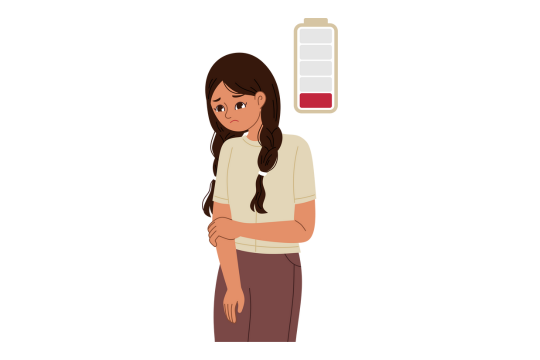
Commonly Depleted Nutrients:
- B Vitamins (especially B2, B6, B12, and folic acid): For mood, energy, and brain function
- Magnesium: Helps with sleep, stress, and hormone regulation
- Zinc & Selenium: Key for immunity, skin, thyroid, and fertility
- Vitamins C & E: Antioxidants that protect cells and support skin health
- CoQ10: Vital for heart and cellular energy
These depletions may be behind common complaints like fatigue, mood swings, brain fog, or hair thinning.
How to Support Your Body While Using Birth Control
At NutriChem, we take a comprehensive, whole-body approach to care, and we believe every person has the right to be fully informed about the impact of their medications. Whether you’re using birth control for contraception or symptom management, there are proactive steps you can take to support your long-term health.
1. Consider a high-potency, active B-Complex
Choose one with active, methylated B vitamins and bioavailable minerals to counteract nutrient loss.
2. Eat for hormone health and blood sugar balance
Focus on whole foods, fiber, leafy greens, healthy fats, and good-quality proteins.

3. Consider Targeted Supplements
Based on symptoms or testing, your pharmacist or clinician might suggest:
- Magnesium bisglycinate for sleep, stress, and cramps
- B-complex vitamins for energy and mood
- Zinc, selenium, and vitamin D for skin, immune, and thyroid support
4. Support Gut Health
Since birth control can impact your microbiome, consider adding a probiotic.
Concerned About Side Effects?
You’re not alone. Many people stop or switch birth control due to side effects like low libido, anxiety, weight gain, or depression. These are real and valid concerns. At NutriChem, we don’t dismiss them, we investigate and offer tools to help you feel like yourself again.
Final Thoughts
Birth control can be empowering, but it should never come at the cost of your long-term health. You deserve more than just a prescription; you deserve education, support, and a personalized approach that honours your body’s unique needs.
If you’re curious about alternatives, want to support your body more holistically, or just need help deciding what’s right for you, speak to your NutriChem pharmacist or book a consultation with one of our Naturopathic clinicians. Your hormones matter, and so do you.

References
Palmery M, Saraceno A, Vaiarelli A, Carlomagno G. Oral contraceptives and changes in nutritional requirements. Eur Rev Med Pharmacol Sci. 2013 Jul;17(13):1804-13. PMID: 23852908.
Meixiong J, Ricco C, Vasavda C, Ho BK. Diet and acne: A systematic review. JAAD Int. 2022 Mar 29;7:95-112. doi: 10.1016/j.jdin.2022.02.012. PMID: 35373155; PMCID: PMC8971946.
Kim YG, Lee JH, Park S, Lee J. The Anticancer Agent 3,3′-Diindolylmethane Inhibits Multispecies Biofilm Formation by Acne-Causing Bacteria and Candida albicans. Microbiol Spectr. 2022 Feb 23;10(1):e0205621. doi: 10.1128/spectrum.02056-21. Epub 2022 Feb 2. PMID: 35107361; PMCID: PMC8809333.
Kazeminejad A, Hajheydari Z, Taghian SS, Gholizadeh N. Serum zinc, selenium, and vitamin D levels in patients with acne vulgaris: A case-control study. J Cosmet Dermatol. 2024 Dec;23(12):4249-4254. doi: 10.1111/jocd.16494. Epub 2024 Jul 25. PMID: 39051440; PMCID: PMC11626374.
Goodarzi A, Mozafarpoor S, Bodaghabadi M, Mohamadi M. The potential of probiotics for treating acne vulgaris: A review of literature on acne and microbiota. Dermatol Ther. 2020 May;33(3):e13279. doi: 10.1111/dth.13279. Epub 2020 Apr 7. PMID: 32266790.
Parazzini F, Di Martino M, Pellegrino P. Magnesium in the gynecological practice: a literature review. Magnes Res. 2017 Feb 1;30(1):1-7. English. doi: 10.1684/mrh.2017.0419. PMID: 28392498.
Snipe RMJ, Brelis B, Kappas C, Young JK, Eishold L, Chui JM, Vatvani MD, Nigro GMD, Hamilton DL, Convit L, Carr A, Condo D. Omega-3 long chain polyunsaturated fatty acids as a potential treatment for reducing dysmenorrhoea pain: Systematic literature review and meta-analysis. Nutr Diet. 2024 Feb;81(1):94-106. doi: 10.1111/1747-0080.12835. Epub 2023 Aug 6. PMID: 37545015.
Alikamali M, Mohammad-Alizadeh-Charandabi S, Maghalian M, Mirghafourvand M. The effects of vitamin E on the intensity of primary dysmenorrhea: A systematic review and meta-analysis. Clin Nutr ESPEN. 2022 Dec;52:50-59. doi: 10.1016/j.clnesp.2022.10.001. Epub 2022 Oct 9. PMID: 36513486.
Höller M, Steindl H, Abramov-Sommariva D, Kleemann J, Loleit A, Abels C, Stute P. Use of Vitex agnus-castus in patients with menstrual cycle disorders: a single-center retrospective longitudinal cohort study. Arch Gynecol Obstet. 2024 May;309(5):2089-2098. doi: 10.1007/s00404-023-07363-4. Epub 2024 Feb 23. PMID: 38393671; PMCID: PMC11018691.
Daily JW, Zhang X, Kim DS, Park S. Efficacy of Ginger for Alleviating the Symptoms of Primary Dysmenorrhea: A Systematic Review and Meta-analysis of Randomized Clinical Trials. Pain Med. 2015 Dec;16(12):2243-55. doi: 10.1111/pme.12853. Epub 2015 Jul 14. PMID: 26177393.
Greff D, Juhász AE, Váncsa S, Váradi A, Sipos Z, Szinte J, Park S, Hegyi P, Nyirády P, Ács N, Várbíró S, Horváth EM. Inositol is an effective and safe treatment in polycystic ovary syndrome: a systematic review and meta-analysis of randomized controlled trials. Reprod Biol Endocrinol. 2023 Jan 26;21(1):10. doi: 10.1186/s12958-023-01055-z. PMID: 36703143; PMCID: PMC9878965.
Mohan A, Haider R, Fakhor H, Hina F, Kumar V, Jawed A, Majumder K, Ayaz A, Lal PM, Tejwaney U, Ram N, Kazeem S. Vitamin D and polycystic ovary syndrome (PCOS): a review. Ann Med Surg (Lond). 2023 Jun 5;85(7):3506-3511. doi: 10.1097/MS9.0000000000000879. PMID: 37427232; PMCID: PMC10328709.
Nasiadek M, Stragierowicz J, Klimczak M, Kilanowicz A. The Role of Zinc in Selected Female Reproductive System Disorders. Nutrients. 2020 Aug 16;12(8):2464. doi: 10.3390/nu12082464. PMID: 32824334; PMCID: PMC7468694.
Barnard ND, Holtz DN, Schmidt N, Kolipaka S, Hata E, Sutton M, Znayenko-Miller T, Hazen ND, Cobb C, Kahleova H. Nutrition in the prevention and treatment of endometriosis: A review. Front Nutr. 2023 Feb 17;10:1089891. doi: 10.3389/fnut.2023.1089891. PMID: 36875844; PMCID: PMC9983692.
Vallée A, Lecarpentier Y. Curcumin and Endometriosis. Int J Mol Sci. 2020 Mar 31;21(7):2440. doi: 10.3390/ijms21072440. PMID: 32244563; PMCID: PMC7177778.
Anastasi E, Scaramuzzino S, Viscardi MF, Viggiani V, Piccioni MG, Cacciamani L, Merlino L, Angeloni A, Muzii L, Porpora MG. Efficacy of N-Acetylcysteine on Endometriosis-Related Pain, Size Reduction of Ovarian Endometriomas, and Fertility Outcomes. Int J Environ Res Public Health. 2023 Mar 7;20(6):4686. doi: 10.3390/ijerph20064686. PMID: 36981595; PMCID: PMC10048621.
Dull AM, Moga MA, Dimienescu OG, Sechel G, Burtea V, Anastasiu CV. Therapeutic Approaches of Resveratrol on Endometriosis via Anti-Inflammatory and Anti-Angiogenic Pathways. Molecules. 2019 Feb 13;24(4):667. doi: 10.3390/molecules24040667. PMID: 30781885; PMCID: PMC6413140.

