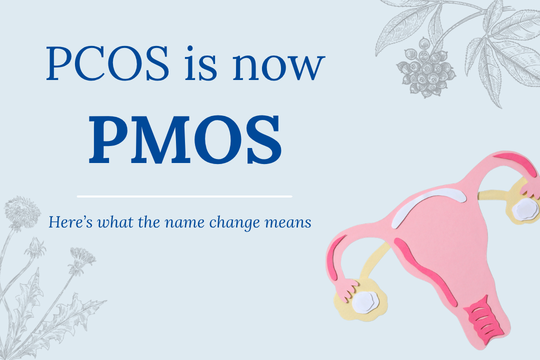
PCOS Is Now PMOS: What the Name Change Means
PCOS has a new name—PMOS. Dr. Holly Paraschuk, ND explains what the change means, why it better reflects the condition’s hormonal and metabolic complexity, and what it means for diagnosis and treatment.

PCOS has a new name—PMOS. Dr. Holly Paraschuk, ND explains what the change means, why it better reflects the condition’s hormonal and metabolic complexity, and what it means for diagnosis and treatment.

Childhood constipation is more common than you think. Dr. Laeticia Domagalski, ND breaks down how to spot it early, ease the cycle, and know when it's time to bring in extra support.
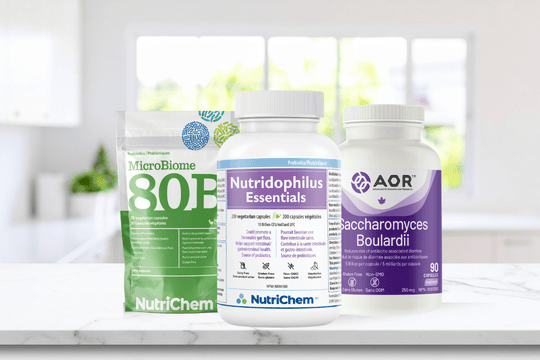
Not all probiotics are created equal. Pharmacist Dr. Adam Livingston breaks down which probiotic to choose for everyday gut health, antibiotics, travel, digestive issues, and more.

Explore this year’s flu vaccine options from a pharmacist’s perspective, including the traditional shot, needle-free nasal spray, and practical ways to support your immune health this flu season.

Somewhere in the middle of the roles, the stress, and the constant switching, one of the first things that quietly slips away is desire. Dr. Emma Pollon-MacLeod, ND opens up about the stage of life nobody's named — the years between postpartum and perimenopause — and why putting pleasure back on the list isn't an indulgence. It's part of finding your way back to yourself.
In Part 2 of this series, Dr. Sophie Pollon-MacLeod, ND examines testosterone replacement therapy in menopausal women, including current research, potential benefits and risks, and why access to treatment remains limited in Canada.
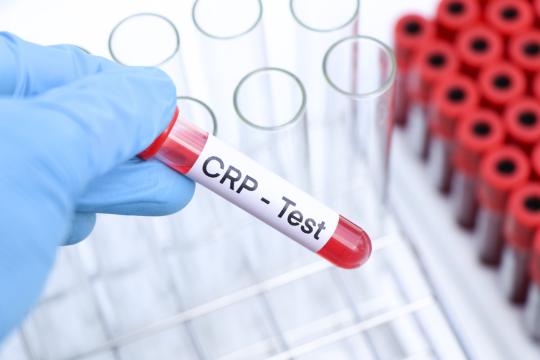
Cholesterol and routine labs can look perfectly normal while hidden inflammation quietly raises your risk for heart disease. One key marker that can reveal this risk is C-reactive protein (CRP). In this article, Dr. Laeticia Domagalski, ND explains why CRP matters and how lifestyle strategies can help lower inflammation and protect long-term heart health.

Emerging research shows that heart health isn’t just about cholesterol — it’s deeply connected to the health of your gut. In this insightful article, Dr. Holly Paraschuk, ND explores the gut–heart axis and shares key nutrition and lifestyle strategies to reduce inflammation and protect cardiovascular health.

Statins are widely prescribed to prevent heart attacks and strokes — but not everyone needs one. In this guide, Dr. Adam Livingston explains the real benefits, risks, and how medications and lifestyle choices work together to protect your heart.

Fibre may not be flashy, but research consistently shows it’s a powerhouse for heart health—lowering LDL cholesterol, stabilizing blood sugar, reducing blood pressure, and calming inflammation through the gut–heart connection. Discover how this simple nutrient works behind the scenes and practical ways to get enough for meaningful, long-term cardiovascular protection.