

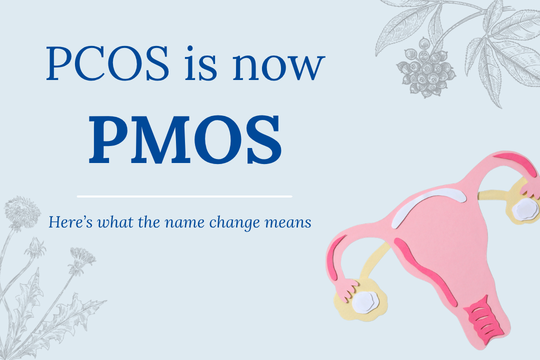
PCOS, or polycystic ovary syndrome, is a common and complex condition affecting approximately 1 in 8 women worldwide. As of May 2026, PCOS has been renamed PMOS, or polyendocrine metabolic ovarian syndrome.
While the diagnostic criteria have not changed, the new name reflects our evolving understanding of the condition and has the potential to positively influence how clinicians approach diagnosis and treatment.
The name “polycystic ovary syndrome” has contributed to misconceptions about the condition, which may have affected how women understand their symptoms and, in some cases, how their symptoms are evaluated and treated. One of the most important misconceptions is that you need to have ovarian cysts to have PCOS/PMOS. The term PCOS also places the ovaries at the centre of the condition, when the underlying biology is much broader.
PMOS is not simply a condition of the ovaries, nor is it simply a fertility problem. It is a complex endocrine and metabolic condition that can affect menstrual cycles, ovulation, androgen levels, insulin regulation, metabolic health, skin, mood and long-term health. And that distinction matters.
What does PMOS mean?
The updated name highlights three important components of the condition:
- Polyendocrine — multiple hormonal and endocrine systems can be involved.
- Metabolic — insulin resistance, glucose regulation and cardiometabolic health can be important components.
- Ovarian — reproductive function and ovulation remain an important part of the condition.
Together, these terms provide a broader picture of what PMOS can look like and why it can present so differently from one woman to another.
Does this change how PMOS is diagnosed?
The name has changed, but the diagnostic criteria have not.
There is still no single blood test that diagnoses PMOS. Diagnosis requires looking at the overall clinical picture, which may include:
- Menstrual and ovulatory patterns
- Clinical or laboratory evidence of androgen excess
- Ovarian morphology or AMH, depending on the diagnostic framework being used.
- Other conditions that can cause similar symptoms must also be ruled out.
While the diagnostic criteria have not changed, the way we think about diagnosis can. The existing diagnostic criteria do not require evidence of polycystic ovaries. Yet the name “polycystic ovary syndrome” can create an inherent bias for both patients and clinicians, making ovarian findings seem more central to the condition than they actually are.
The name “polyendocrine metabolic ovarian syndrome” shifts the focus.
Rather than asking only, “What is happening with the ovaries?”, we can ask:
“What is happening with this person’s hormones, metabolism, menstrual cycle, ovulation and overall health?”
The hope is that this broader framework will encourage a more comprehensive assessment and reduce the misconception that polycystic-appearing ovaries are necessary for a diagnosis.
Common Misconceptions About PMOS
“You need to have ovarian cysts to have PMOS.”
Despite the name, ovarian cysts are not required for a diagnosis. The “polycystic” appearance refers to an increased number of small follicles, the fluid-filled sacs within the ovary that contain developing eggs.
“If my periods are regular, I can't have PMOS.”
Not necessarily. Some women with PMOS have apparently regular cycles but may still have evidence of androgen excess, metabolic dysfunction or other features of the condition.
“PMOS only affects women who are overweight.”
PMOS occurs across the weight spectrum. Metabolic dysfunction and insulin resistance can occur in individuals of all body sizes.
“PMOS means you can't get pregnant.”
PMOS can make ovulation less predictable, but it does not mean infertility. Many individuals with PMOS conceive naturally, while others may benefit from ovulation induction or other fertility support.
“Birth control pills treat the underlying cause of PMOS.”
Hormonal contraceptives can be very useful for managing menstrual irregularities, protecting the endometrium and improving androgen-related symptoms. However, they don’t necessarily address every underlying metabolic or endocrine feature of PMOS.
“High testosterone is the only hormone problem in PMOS.”
Androgen excess is an important feature for many individuals with PMOS, but the condition involves much more complex interactions between reproductive hormones, insulin, metabolism and ovarian function.
“Everyone with PMOS needs the same treatment.”
PMOS can look very different from one person to another. Treatment should be individualized according to symptoms, metabolic health, reproductive goals and the individual’s priorities.
“PMOS symptoms are just something women have to live with.”
While there is currently no cure for PMOS, many of its symptoms and associated health risks can be effectively managed. Irregular cycles, acne, unwanted hair growth, scalp hair thinning and metabolic abnormalities can all be addressed.
A diagnosis should be the beginning of a treatment conversation, not the end.
Does Treatment Change Because of the Name?
No, the name change does not mean that individuals need different treatment plan.
Treatment continues to be individualized according to symptoms, metabolic health, reproductive goals and the individual’s priorities. Current approaches can include nutrition and lifestyle interventions, medications for metabolic health, hormonal treatments for menstrual or androgen-related symptoms, and fertility treatments when pregnancy is desired.
At NutriChem, a PMOS-focused approach means looking beyond the ovaries and considering the whole clinical picture:
1. How are your hormones functioning?
This may include assessing androgen excess, ovulation and menstrual patterns, as well as considering thyroid or other endocrine conditions that can mimic or contribute to symptoms.
2. How is your metabolism functioning?
Depending on the individual, this may include assessing glucose regulation, insulin resistance, cholesterol, blood pressure and other cardiometabolic risk factors.
3. Are you ovulating?
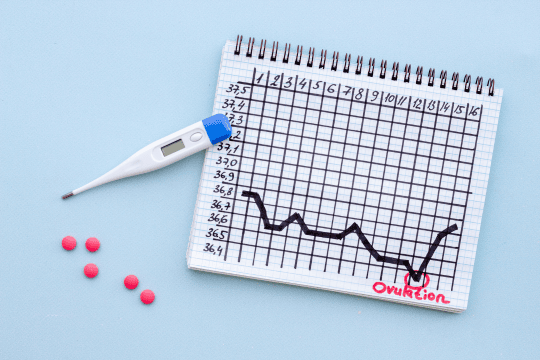
Infrequent ovulation can affect fertility and, in some women, prolonged periods without ovulation can result in inadequate progesterone exposure and increased endometrial risk.
Understanding whether and how often ovulation is occurring can therefore be an important part of PMOS care.
4. What symptoms are affecting your quality of life?
Acne, unwanted facial or body hair, scalp hair thinning, fatigue, sleep concerns, mood symptoms and menstrual irregularities can all be important parts of the clinical picture.
Treatment should address the symptoms that matter to you, rather than focusing exclusively on laboratory values.
5. What are your goals?
Treatment should look different for someone trying to conceive compared with someone primarily concerned about acne, irregular cycles, insulin resistance or long-term metabolic health.
There is no single PMOS treatment; however, there is a treatment plan that is appropriate for you.
What If You've Already Been Diagnosed With PCOS?
If you have been diagnosed with PCOS, you have not developed a new condition. PMOS is the new name for the condition previously called PCOS. Your existing medical records may continue to use PCOS for some time as healthcare systems, research databases and coding systems transition.
The bigger change is the opportunity to reconsider what your diagnosis means. Thinking of PMOS as a complex endocrine and metabolic condition that can impact whole body health instead of simply, an ovarian condition is an important and empowering distinction because it opens the door to more comprehensive care.
Conclusion
The transition from PCOS to PMOS isn’t simply about changing a name. It reflects a broader understanding of a condition that has historically been viewed through a primarily reproductive lens. The diagnostic criteria have not changed, but our perspective can. PMOS reminds us to look beyond the ovaries and consider the interconnected relationship between hormones, metabolism, ovulation, reproductive health and overall wellbeing.
Looking for support with PMOS?
References
Mayo Clinic Staff. Polyendocrine metabolic ovarian syndrome (PMOS). Mayo Clinic; May 21, 2026. Available from: https://www.mayoclinic.org/diseases-conditions/pcos/
Teede HJ, et al. Polyendocrine metabolic ovarian syndrome, the new name for polycystic ovary syndrome: A multistep global consensus process. The Lancet. 2026. doi:10.1016/S0140-6736(26)00717-8.
Teede HJ, et al. Recommendations from the 2023 International Evidence-based Guideline for the Assessment and Management of Polyendocrine Metabolic Ovarian Syndrome (2023). American Society for Reproductive Medicine; 2023.

